New to the UK? Avoid awkward moments by understanding the unspoken rules before they surprise you. From the outside, British culture may seem polite, structured, and even a bit quirky, but if you look closer, there is a real logic to how people behave. Knowing this 20 cultural etiquette and social norms in UK society can make your move, visit, or integration smoother and help you form more meaningful connections.
Whether you are a student, professional, tourist, or a newcomer planning a new chapter in the UK, this guide gives you a clear view of how things are done from social expectations to subtle behavioural cues.
Let us explore what is deeply valued in British culture and how you can adapt without losing your own identity.
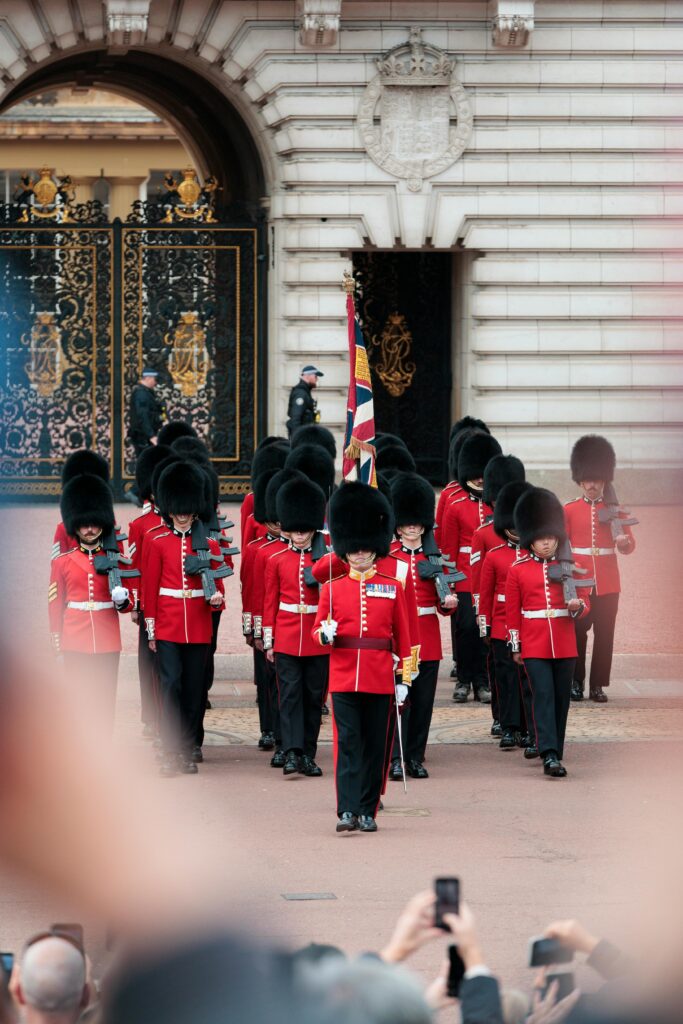
Understanding British Culture at a Glance
What Makes UK Culture Unique?
British culture is a fascinating blend of centuries/old traditions and contemporary multicultural influence. From stunning castles to curry houses, the UK represents both heritage and diversity. That said, certain etiquette rules endure across regions, cities, and communities.
While each part of the UK, England, Scotland, Wales, and Northern Ireland, has its distinct identity, there are shared values like respecting personal space, avoiding confrontation, and an ever-present love for tea.
The British are known for their understated communication style, a sense of humour that is dry and self-deprecating, and an unshakable commitment to saying “sorry” even when they are not at fault.
Below are just 20 cultural etiquette and social norms in the UK that can help you easily adapt.
1. Always Say “Please” and “Thank You”
Manners are serious business in the UK. Saying “please,” “thank you,” and even “sorry”, frequently, are signs of being courteous, not submissive.
Tip: In restaurants, shops, or with strangers, polite speech is not optional, it is the norm. You will be judged (gently, of course) if you forget.
2. Queuing Is Sacred
Cutting in line is one of the few actions that can trigger real frustration in public. Do not jump the queue, even if it seems harmless.
This applies to:
- Supermarkets
- Bus stops
- Event check-ins
- Public toilets
Even walking ahead of someone who is waiting for a bus can earn you a few raised eyebrows.
3. Small Talk Is a Big Deal
It may feel superficial, but small talk opens doors in British society. The safest topics?
- The weather (it is a national obsession)
- Pets (Brits love dogs)
- Commutes or traffic
- Sports (football is a winner)
Avoid diving too deep too fast, like politics, religion, or salary. These are usually reserved for people who know each other well.
4. Personal Space Matters
If you are from a more tactile or expressive culture, the UK may feel a bit reserved at first. People tend to value arm’s-length distance in queues, conversations, and even family gatherings.
A handshake is the go-to greeting in professional and casual settings unless you are familiar with someone.
5. Apologising, Even When It is Not Your Fault
The British use “sorry” in many situations:
- When you bump into them
- When they bump into you
- When you did not hear what someone said
It is not about guilt; it is about keeping social harmony. One common joke says Brits would say sorry to a lamppost if they walked into it.
6. Punctuality Shows Respect
Showing up on time, especially for work, interviews, or doctor’s appointments, is a form of respect in the UK.
For social gatherings, being 5–10 minutes late is usually fine, but being late for business? That is frowned upon.
7. Do not Talk Loudly in Public Spaces
In public, quiet is king. On buses, trains, and in queues, lively conversations or loud phone calls might attract silent disapproval. British people value peaceful public zones, especially on the Tube or in waiting areas.
Tip: If you need to take a call, try stepping aside or speaking softly. Even in restaurants and cafés, the atmosphere tends to be more subdued unless it is a pub.
8. A Handshake Is the Standard
When meeting someone in a professional or formal context, a brief handshake is standard and polite. Other forms of greetings, like hugging or kissing on the cheek are typically only for close friends or family, and even then, done discreetly.
In casual meetings between friends, especially among younger people, a friendly smile and nod often suffice.
9. Using Titles and First Names
British people tend to be informal, especially in modern workplaces. Calling someone by their first name, even your manager, is normal once introductions are made.
But in official or academic settings, always start with “Dr.,” “Professor,” or “Mr./Ms.” until the person tells you otherwise.
10. Table Manners Matter
Dining etiquette in the UK is all about moderation and politeness. Keep your elbows off the table, chew with your mouth closed, and wait until everyone is served before digging in.
Fork in the left hand, knife in the right
Do not reach across the table
Always thank your host, chef, or server
11. Paying the Bill: Splitting Is Common
Unless someone insists on treating, “going Dutch” (splitting the bill) is widely accepted in the UK.
In group settings, people often:
- Pay their exact share
- Use apps like Monzo or Revolut to share costs
- Avoid arguing over the last £2
This prevents discomfort and awkwardness, which Brits tend to avoid at all costs.
12. British Understatement and Indirectness
You may notice that British people avoid extreme emotions or bold claims in everyday speech. You will often hear phrases like:
- “Not bad” (which could mean excellent)
- “Might be a bit tricky” (can actually mean a firm no)
- “Quite good” (sometimes barely OK)
This indirectness is not dishonesty. It is a form of politeness and subtle communication that may take time to master.
13. Office Banter and Humour
Humour in UK workplaces often includes gentle sarcasm and self-deprecating jokes. This is a sign of approachability, not unprofessionalism.
What not to do:
- Take sarcasm personally
- Boast about achievements
- Try to dominate group conversations
Workplace conversations are usually relaxed but observant, and those who speak modestly are often the most respected.
Read about: 15 Things Your Boss Can’t Legally Do
14. Dressing for Work: Conservative and Smart Casual
Dress codes vary, but a good rule is to dress slightly more formally for the first week until you understand your workplace culture.
- In finance or legal roles: suits and business formal.
- In media, startups, or nonprofits: smart casual is the norm.
- Personal grooming is important: clean and tidy appearance is valued.
15. Never Cut In (Even Walking)
The no-cutting rule applies to more than lines. In public streets, Brits typically wait their turn in bottlenecked areas, whether at store entrances or crowded side streets.
Holding the door open or letting someone pass you with a smile is seen as a small but meaningful courtesy.
16. Tipping Culture
While tipping is not mandatory like in some countries, it is definitely appreciated.
What is standard:
- Restaurants: 10–15% (check if service is already included)
- Taxis: Round up to the nearest pound
- Hairdressers/Barbers: Optional, around £2–5 for great service
At pubs and cafés, it is not expected unless there is table service.
17. Respect for Privacy and Boundaries
The British highly value privacy. Do not ask personal questions (age, salary, political views) unless you have a well-established relationship.
Original Insight:
Think of British social life as an onion, you can peel one layer at a time, but trying to cut to the centre quickly will bring tears!
18. Understanding British Holidays
Holidays often come with their own social expectations:
- Bonfire Night (Nov 5): Fireworks, safe fun, but not a greeting holiday
- Remembrance Day (Nov 11): Quiet reflection, avoid celebrations that day
- Christmas: Cards, Secret Santa, lights, joining in is welcomed, even if you do not observe it religiously
19. Pub Culture Rules
The pub is central to UK social life. Few things to keep in mind:
- Buy in rounds if you are in a group
- Do not wave money at the bar staff (wait to be noticed)
- Keep it conversational, not overly loud or showy
20. Online Politeness Still Counts
Even on WhatsApp, Brits are polite, expect emojis, softening phrases (“if that’s okay”), and not-too-frequent messages.
If someone replies with “Cheers” or “Thanks a lot,” you have done well.
Conclusion: Blending In While Staying Yourself
Mastering this 20 cultural etiquette and social norms in UK life is not about changing who you are. It is about learning the subtle rhythms that guide conversations, respect, and connection in British society.
- Respect queues
- Use polite language
- Listen and observe more than you speak at first
Once you understand the flow, things feel more natural and friendship and belonging come more easily.
FAQs – Fast Tips for Everyday Situations
Queue jumping. Always wait your turn.
If they initiate, yes, but generally, stick to a handshake or smile.
Say “I see your point, but I wonder if…” or “That’s interesting, have you also considered…”
Not necessary unless you get table service, then 10% is kind.
Yes but avoid other personal questions unless invited.